
+
  • 1(27).jpg
  • 2(22).jpg
  • 3(17).jpg

flange

Orifice flange enables accurate flow measurement by creating pressure drop, widely used in oil, gas, and industrial pipeline systems

Good heat dissipation performance, extending the lifespan of the motor

Keywords:GL-160M1-16,Motors

Category:

European standard

Details

Orifice flange is a specialized piping component used in fluid measurement systems to determine the flow rate of liquids, gases, and steam. It is typically installed in a pipeline together with an orifice plate, creating a pressure drop that can be measured and used to calculate flow. The orifice flange is widely used in industries such as oil and gas, chemical processing, power generation, and water treatment due to its accuracy and reliability.

One of the key features of the orifice flange is its design, which includes tapped holes for pressure measurement. These taps allow differential pressure instruments to be connected directly to the flange, ensuring precise data collection. The orifice flange is usually manufactured in pairs and designed to hold the orifice plate securely in place, maintaining proper alignment within the pipeline.

Materials used for orifice flange production include carbon steel, stainless steel, and alloy steel, depending on the application requirements. These materials provide strength, corrosion resistance, and durability under high pressure and temperature conditions. Additionally, the orifice flange is available in various sizes and pressure ratings to meet different industrial standards.

Overall, the orifice flange is an essential component in flow measurement systems, offering accurate performance, easy installation, and compatibility with a wide range of industrial processes.


Structurally, it would be clearer to consider dividing it into four modules: energy efficiency first, then economics, followed by environmental durability, and finally landing on application scenarios. Each feature requires at least two search results to support it, such as the noise reduction feature being referenced simultaneously [3] and [6]. Special attention should be paid to avoiding using the price information on the product detail page of [2] as a technical parameter reference, as it belongs to commercial data rather than feature description.
Finally, check the standardization of corner markers. [4] [5] have newer IE2 standards with timestamps that meet the description and can be prioritized for adoption; [7] The description of the continuous operation mode, although brief, is highly specialized and worth retaining. The user is a technical question, and it is most important to keep the response concise and accurate, without the need for additional explanation of the energy efficiency grading system.

Related Products
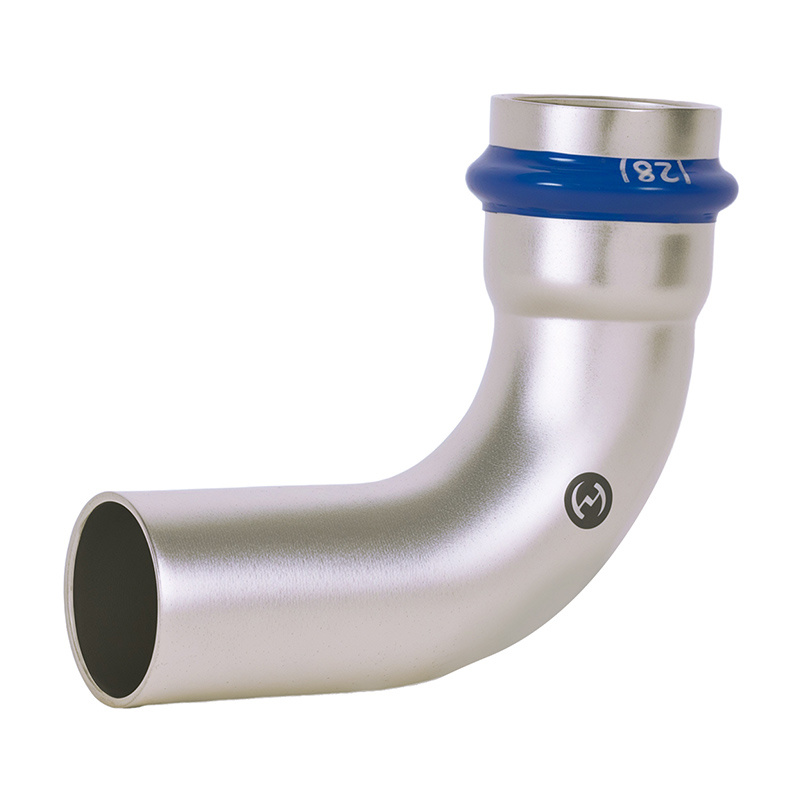
Type B 90° Elbow 90°

Good heat dissipation performance, extending the lifespan of the motor

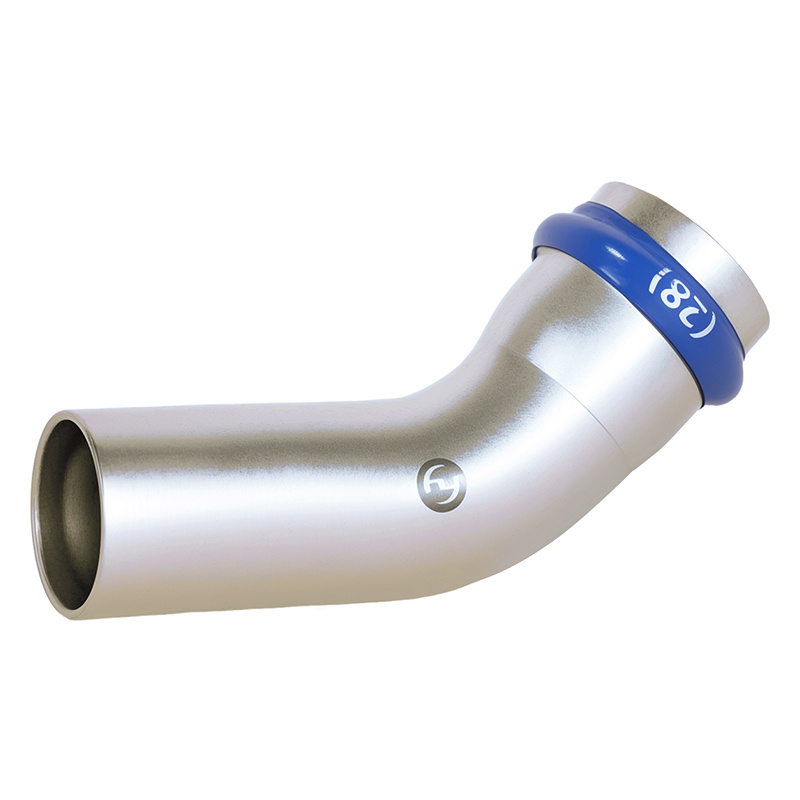
Type B 45° Elbow 45°

Good heat dissipation performance, extending the lifespan of the motor

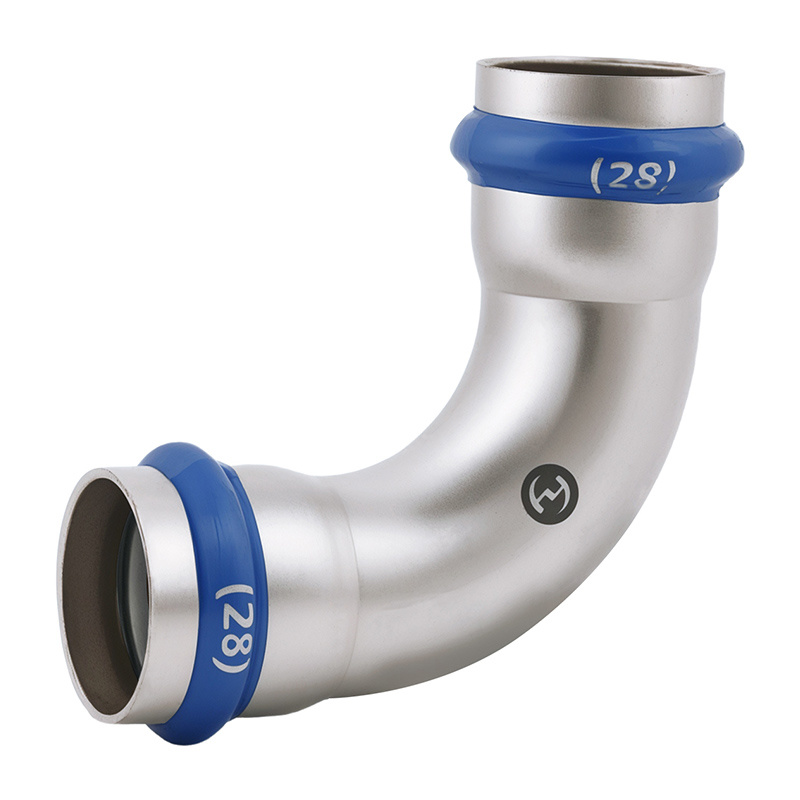
Type A 90° Elbow 90°

Good heat dissipation performance, extending the lifespan of the motor

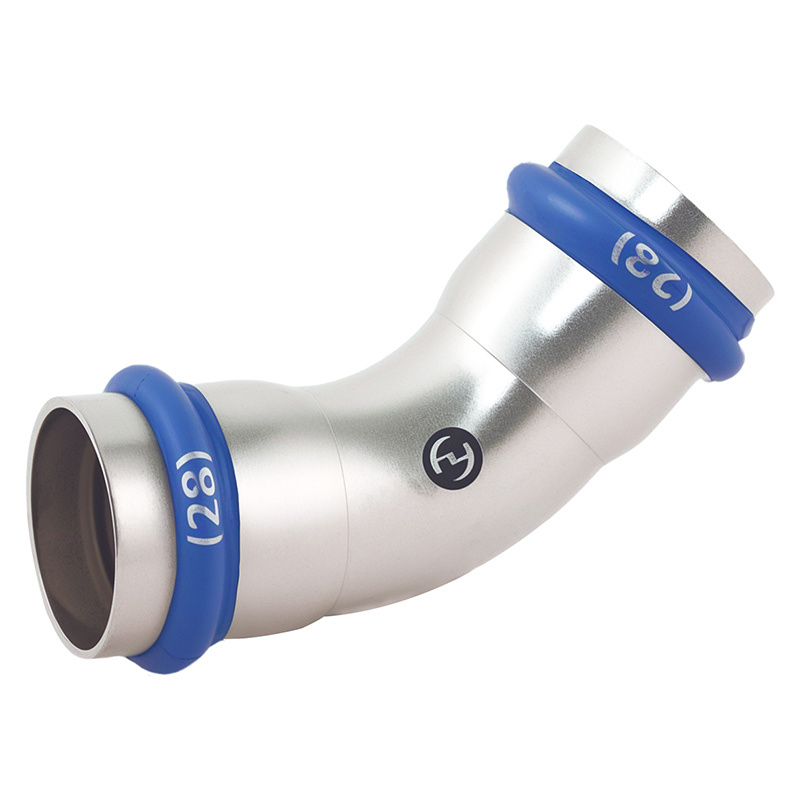
Type A 45° Elbow, 45°

Good heat dissipation performance, extending the lifespan of the motor

Message

*Leave your contact information to get a free product quote

Online message

If you have any questions, please contact us!

Submission